Homes today use far more power than they did even a few years ago. Between electric cars, smart devices, and appliances that run all day, the demand keeps climbing. That is why electrical upgrades are no longer just for old houses. They are becoming a smart move for almost any home that wants to stay safe and keep up.
But what does an electrical upgrade actually involve? And how do you know if your home needs one? This guide gives you a plain look at what electrical upgrades are, the most common types, the signs to watch for, and how a professional handles the work the right way.
What Are Electrical Upgrades?
An electrical upgrade is any work that improves your home’s power system. It can be as big as replacing your entire panel or as focused as adding a few new circuits. The goal is always the same: to make your home safer and able to handle the power you actually use.
Some upgrades are about safety, like adding modern protection to older wiring. Others are about capacity, giving your home the room to run more without strain. Many homes need a mix of both. As our lives get more connected, upgrading the electrical system is often what keeps everything running smoothly and safely.
Signs Your Home Needs an Electrical Upgrade
You do not need to be an expert to spot the warning signs. Watch for any of these:
- Breakers that trip again and again
- An old fuse box or a panel that is out of date
- Two-prong outlets that have no ground
- Lights that flicker or dim for no clear reason
- Warm outlets, a buzzing sound, or a burning smell
- Reaching for power strips and extension cords in every room
None of these mean disaster today. But each is a sign your home may be asking for more than its current system can give. When you see a few of them together, it is time to think about an upgrade.
The Most Common Types of Electrical Upgrades
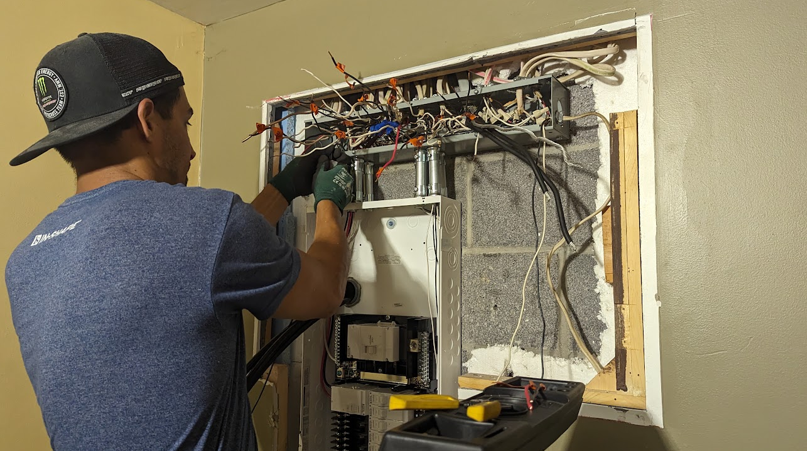
Most home upgrades start at the panel, since that is where all your power flows. From there, the work can branch out to wiring, outlets, and modern protection. A professional electrical panel upgrade makes sure the whole system can handle a new load safely, which is why so many upgrades begin there. The team at Bee-lectric helps homeowners plan and complete these upgrades the right way. Here are the types you will encounter most.
Electrical Panel Upgrades
The panel is the heart of your system. Every circuit runs through it, and it decides how much power your home can safely handle. An older panel was built for a much simpler time and often cannot keep up with today’s load. Upgrading it gives your home a strong, safe base and makes almost every other upgrade possible.
Rewiring and Updated Wiring
Older homes often have wiring that is worn, damaged, or just outdated. Some still have very old systems that are no longer considered safe. Updating the wiring removes a hidden fire risk and gives your home a reliable path for power. It is one of the most important upgrades an older home can get.
Adding Outlets and Circuits
If you rely on power strips and long cords in every room, your home does not have enough outlets. Adding new outlets and circuits spreads the load out so no single spot gets overworked. It is a simple upgrade that makes daily life easier and reduces the risk of overloading.
GFCI and AFCI Protection
These are safety upgrades that modern code demands. GFCI protection shuts off power fast in wet areas like kitchens and bathrooms. AFCI protection protects against fires that start from damaged or loose wiring. Adding both brings an older home to a much safer standard.
See also: Core Peptides or a Clinician: What the Numbers Actually Say
EV Charger and High Load Upgrades
Electric cars and other high power devices pull a lot of energy. Your home needs the right setup to run them safely. This kind of upgrade often includes panel work and new wiring so the added load does not overwhelm your system. As more homes go electric, this is one of the fastest growing upgrades around.
Whole Home Surge Protection
The more connected devices you own, the more a single power surge can cost you. Whole home surge protection guards everything at once, right at the panel. It is a small upgrade that protects your TVs, computers, and smart home gear from sudden damage.
Why Electrical Upgrades Are Worth It
An upgrade is an investment, so it is fair to ask what you get for it. The biggest payoff is safety. Modern panels, updated wiring, and added protection all lower the risk of shock and fire. For many families, that peace of mind alone is worth it.
There is more, though. Upgrades give your home the room to grow, so you can add an EV charger, a heat pump, or more devices without strain. They can lower your energy bills when paired with efficient tech. And they often raise the value of your home, since buyers look closely at the electrical system. An upgrade is not just a repair. It is a step that makes your home safer, smarter, and more ready for the future.
Why You Should Leave Upgrades to a Professional
Upgrade work touches the panel and the wiring, which are the riskiest parts of your home to work on. A small mistake here is no small issue. It can leave a real hazard behind the wall or put you in danger while you work. This is not the place for a quick online tutorial.
A trained electrician knows the current code, works safely, and makes sure the job is done right the first time. As a commercial and residential electrician serving the greater NEPA area, Bee-lectric gives homeowners honest guidance and safe, code compliant work. You get a clear plan, quality work, and the confidence that your home is in good hands.
Frequently Asked Questions
How do I know if my home needs an electrical upgrade? Watch for tripping breakers, an old fuse box, flickering lights, warm outlets, or heavy use of power strips. If you notice several of these, it is worth having a pro take a look.
How long does an electrical upgrade take? It depends on the job. A single outlet is quick, while a full panel upgrade can take most of a day. A professional can give you a clear timeline once they see your setup.
Are electrical upgrades worth the cost? Yes, for most homes. Upgrades boost safety, lower fire risk, make room for modern tech, and can raise your home’s value. They often pay off in both comfort and peace of mind.
Can I do electrical upgrades myself? Small tasks may be fine, but panel and wiring work should be left to a pro. The risk of shock, fire, or a failed inspection is too high to handle these jobs on your own.
Future Proof Your Home Today
For homeowners in Throop, PA, electrical upgrades are one of the smartest ways to keep a home safe and ready for what comes next. More power, more safety, and more comfort are all within reach, and it often starts with a simple check of what your home has today.
If you are thinking about an upgrade, or you just want to know where your home stands, start with a simple conversation. Reach out to Bee-lectric to plan your upgrade and get your home ready for the future. Call (570) 525-5908 to get started today.