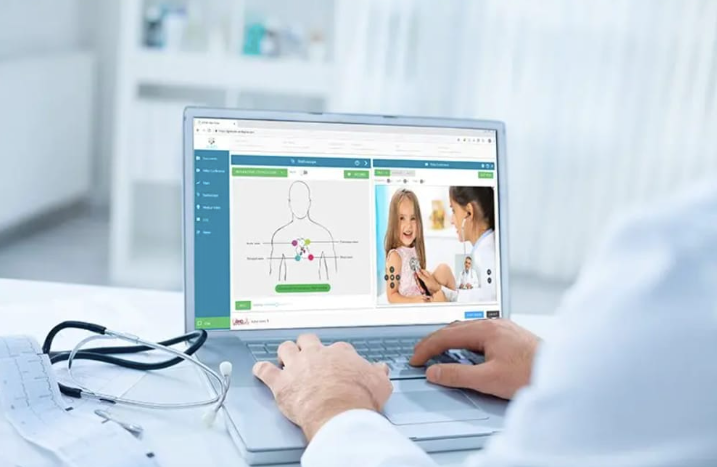
Telemedicine platforms have transformed healthcare delivery by enabling remote consultations. This shift enhances patient accessibility while offering cost-effective solutions and time savings. Users benefit from secure systems and intuitive designs that foster confidence in interacting with healthcare providers. However, as telehealth continues to evolve, several challenges remain. Understanding these complexities and the features that differentiate platforms can significantly influence patient experience and outcomes. What factors should patients consider when choosing the right service?
The Benefits of Telemedicine Platforms for Patients
As patients increasingly seek convenient healthcare solutions, telemedicine platforms offer significant advantages that enhance their overall experience.
These services provide notable accessibility benefits, allowing individuals to consult healthcare professionals from the comfort of their homes.
Additionally, telemedicine can lead to substantial cost savings by reducing travel expenses and minimizing time away from work, ultimately empowering patients to prioritize their health without financial burden.
Key Features to Look for in Digital Healthcare Services
What essential features should users consider when evaluating digital healthcare services?
Key elements include robust user authentication methods to ensure only authorized access, safeguarding personal health information.
Additionally, comprehensive data security measures are crucial for protecting sensitive data from breaches.
These features not only enhance user experience but also foster trust, empowering individuals to engage confidently with their healthcare providers in a digital landscape.
Comparing Popular Telemedicine Platforms: Which One Is Right for You?
How can individuals navigate the myriad of telemedicine platforms available today?
By conducting thorough platform comparisons, users can evaluate options based on key features, costs, and accessibility.
User experiences often highlight strengths and weaknesses, helping potential users make informed decisions.
Ultimately, the right platform will align with personal healthcare needs, ensuring both convenience and quality in digital healthcare interactions.
See also: Technology Trends That Will Shape the Next Decade
Navigating Challenges in Telehealth: Solutions and Best Practices
While selecting the right telemedicine platform is an important step, users often encounter challenges that can affect their overall experience.
Regulatory hurdles may impede access, while technology integration issues can disrupt service delivery.
To navigate these challenges, practitioners should prioritize platforms with robust compliance measures and user-friendly interfaces.
Emphasizing ongoing training and support can enhance adaptability and ultimately improve patient satisfaction.
Conclusion
In conclusion, telemedicine platforms and digital healthcare services enhance accessibility, streamline communication, and foster patient engagement. They empower individuals to seek timely care, reduce barriers to treatment, and promote healthier lifestyles. By prioritizing security, user experience, and innovative features, these platforms not only improve the patient experience but also contribute to a more efficient healthcare system. As telehealth continues to evolve, it holds the promise of transforming healthcare delivery for a diverse population, ensuring better health for all.